Property Management Software Makes Life Easier for Landlords
If you’ve ever managed a rental property, you know one thing for sure: property management is no small job. Whether it’s chasing down late rent, sorting through maintenance requests, or keeping track of leases and paperwork, the daily to-do list can feel endless.
That’s exactly why so many professionals today are turning to property management software. Property mgmt software has made managing the property more efficient and stress-free.
What is Property Management Software?
Property management software, also known as real estate management software or property management programs , is a set of technology intended to automate and simplify certain aspects of property management. These software property management solutions, available as cloud-based platforms or on-premise installations, authorize landlords and property managers to
enhance efficiency, improve tenant satisfaction, and ultimately increase profitability.
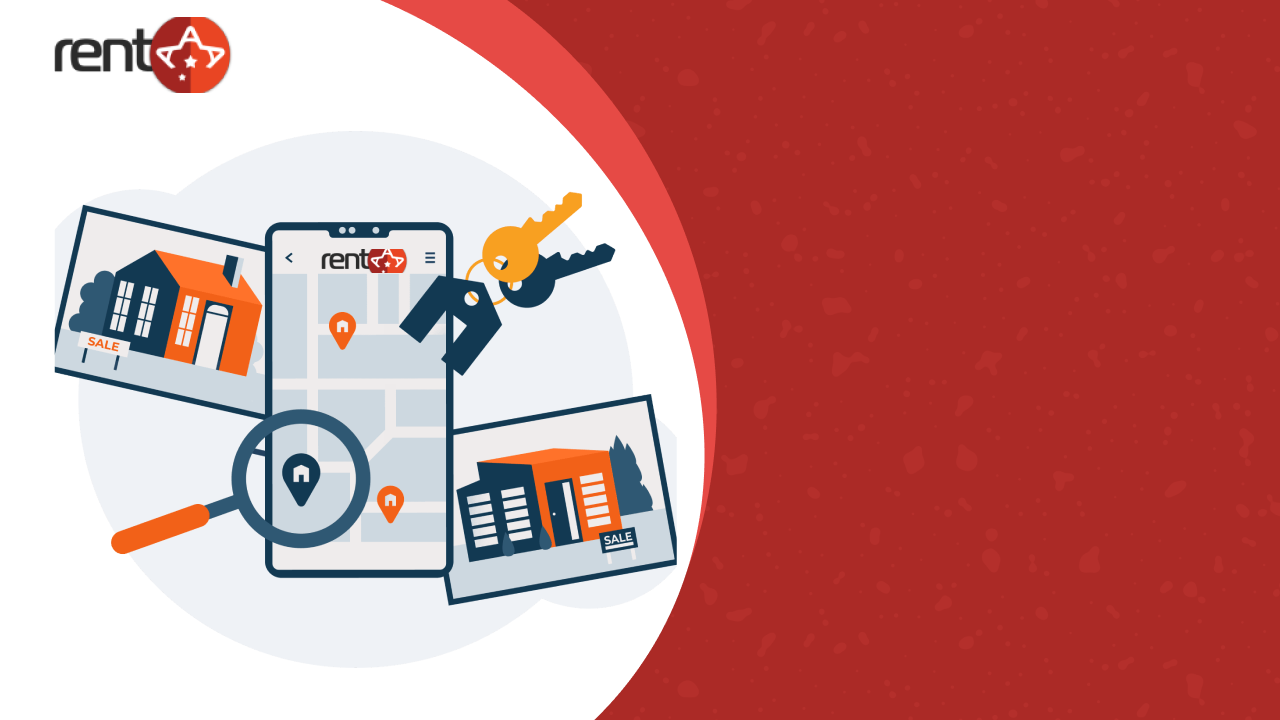
Manage properties from anywhere with RentAAA all in one, powerful
property management software.
Core Features of Property Management Software
At its core, property management software having a wide range of functionalities designed to tackle the multifaceted challenges of property management:
Tenant Management:
-
Tenant Database: Centralized storage of tenant
information, including contact details, lease agreements, rental history, and payment records.
-
Online Rent Payments: Secure online platform for tenants to make
rent payments, reducing the need for manual checks and improving cash flow.
-
Automated Rent Reminders: System-generated reminders to tenants about upcoming rent due dates,
minimizing late payments and improving tenant compliance.
-
Tenant Communication Portal: CIntegrated messaging systems for seamless c
ommunication between landlords, tenants, and maintenance personnel.
-
Tenant Screening: Streamlined background checks and credit checks to identify
reliable and responsible tenants.
Maintenance Management:
-
Work Order Management: Efficiently track and manage maintenance requests from tenants,
including detailed descriptions, photos, and priority levels.
-
Contractor Management: Property maintenance schedules based on contractor
availability and tenant needs.
-
Maintenance Scheduling: System-generated reminders to tenants about upcoming rent due dates,
minimizing late payments and improving tenant compliance.
-
Inventory Management: Track and manage property inventory, including appliances, fixtures,
and other assets.
Financial Management:
-
Rent Roll Management: Generate and track rent rolls, ensuring accurate accounting of
rental income and expenses.
-
Expense Tracking: Monitor and categorize property expenses, including utilities, insurance, taxes,
and maintenance costs.
-
Financial Reporting: Generate comprehensive financial reports, including income statements,
profit and loss statements, and cash flow analysis.
-
Bank Reconciliation: Automate bank reconciliations to ensure
accurate financial records and identify any inconsistency.
Marketing & Leasing:
-
Property Listings: Create and distribute attractive property listings on various online platforms, including real
estate websites and social media.
-
Showing Scheduling: Schedule and manage property showings with potential tenants, optimizing time
and improving efficiency.
-
Lease Management: Generate, execute, and track leases electronically, ensuring compliance
with legal requirements.
-
Vacancy Management:Monitor vacancy rates, analyze market trends, and implement strategies to minimize
downtime and maximize rental income.
Document Management:
-
Secure Document Storage: Store and access all critical documents related to the property, including leases, maintenance records,
inspections, and tenant files.
-
Compliance Management:Ensure compliance with local regulations, such as fair
housing laws and rental ordinances.
-
Auditing & Reporting: Generate audit trails and reports for regulatory compliance and
internal record-keeping.
-
Vacancy Management:Monitor vacancy rates, analyze market trends, and implement strategies to minimize
downtime and maximize rental income.
Benefits of Utilizing Property Management Software
Implementing property management software offers a multitude of advantages for both landlords and property management companies:
-
Enhanced Efficiency: Automates time-consuming tasks, such as rent collection, maintenance scheduling, and
financial reporting, and gets valuable time for other critical responsibilities.
-
Improved Communication: Facilitates flawless communication between all stakeholders, including landlords, tenants, and contractors, minimizing misunderstandings
and improving tenant satisfaction.
-
Increased Organization:Centralizes all property-related information, ensuring easy access and reducing the risk of lost documents or
misplaced data.
-
Reduced Costs: Efficient operations, minimizes administrative overhead, and reduces the need for manual data entry, leading to
significant cost savings.
-
Data-Driven Decision Making: Provides valuable data and insights into property performance, enabling informed decisions regarding pricing,
marketing, and maintenance strategies.
-
Improved Tenant Satisfaction: Enhances the tenant experience through improved communication, faster response times to
maintenance requests, and convenient online services.
-
Increased Profitability: Optimizes revenue streams, minimizes expenses, and improves overall financial performance by
streamlining operations and maximizing efficiency.
How to Self Manage Rental Property Successfully: Taking control of your rental property means mastering the art of balancing maintenance, communication, and financial planning to ensure long-term success.
Choosing the Right Property Management Software
Selecting the most suitable self manage rental property like RentAAA for your specific needs requires careful consideration of several factors:
-
Property Portfolio Size: The scale and complexity of your property portfolio will significantly influence your
software requirements.
-
Budget Constraints: Determine your budget for property management software and explore options that offer value within your financial limitations.
-
Technical Expertise:Checkout the level of technical expertise and select software that is user-friendly and
easy to navigate.
-
Feature Requirements: Identify the specific features that are most critical to your business needs,
such as online rent payments, maintenance tracking, and financial reporting.
-
Integrations: Consider the software's ability to integrate with other essential tools, such as accounting software,
marketing platforms, and communication channels.
-
Customer Support: Evaluate the level of customer support provided by the software vendor, including availability, responsiveness, and
the quality of technical assistance.
Why Property Management Software Is No Longer Optional in 2026
The property management industry has changed dramatically over the last decade. Renters expect digital convenience, owners expect real-time reporting, and managers are under pressure to operate more efficiently than ever before. Manual spreadsheets, email chains, and paper applications simply can’t keep up.
That’s why property management software has become a must-have tool for modern landlords, property managers, and real estate investors. Whether you manage 5 units or 5,000, the right platform can streamline operations, reduce costs, and give you a competitive edge.
Conclusion
Now property management software has become an essential tool for landlords and property managers' success. By holding these property management programs, you can check significant efficiencies, enhance
tenant satisfaction, and ultimately achieve greater success in your property management endeavors.
1. What is property management software?
Property management software is a digital tool designed to help landlords and property managers streamline their daily tasks. It automates processes like rent collection, tenant tracking, maintenance requests, and financial reporting, saving time and reducing errors.
2. What features should I look for in property management software?
Key features often include tenant database management, online rent payment processing, automated reminders, lease and vacancy management, maintenance tracking, document storage, and detailed financial reports. Choosing software with the right mix of features ensures smoother operations.
3. How can property management software benefit landlords?
Using this software increases efficiency, improves organization, and simplifies communication with tenants and contractors. It also helps track income and expenses accurately, reduces paperwork, and ultimately allows landlords to manage properties more effectively while saving time.
4. Can small landlords benefit from property management software?
Absolutely. Even landlords with a single property can benefit from centralized tenant information, automated rent reminders, and maintenance tracking. The software scales to fit portfolios of any size, making management easier and less stressful.
5. How do I choose the right property management software?
Consider factors like the size of your portfolio, essential features (rent payments, maintenance
management, reporting), budget, ease of use, and customer support. Trying a demo or free trial can help ensure the software
fits your specific needs.